
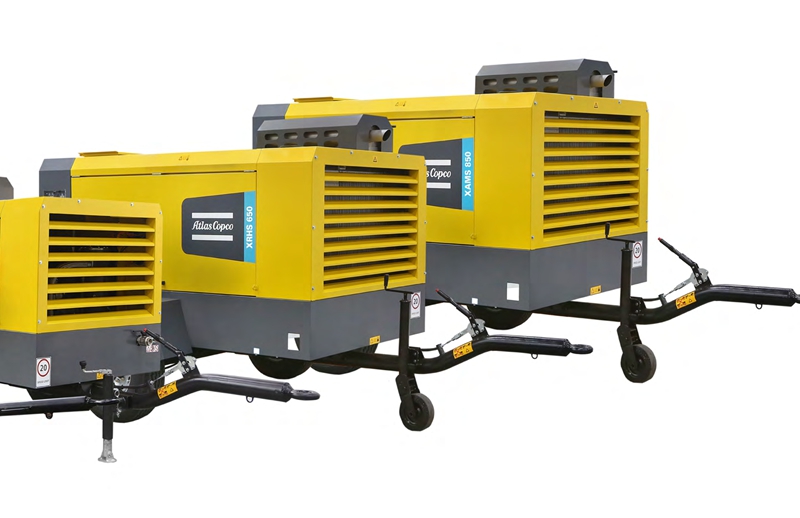
X-Air Range Portable Air Compressors
The Atlas Copco X-Air Range is designed for contractors and industrial operators who need dependable compressed air across a variety of demanding job-site conditions. Combining high-performance screw compressor technology with diesel-powered mobility, the range offers solutions for construction, drilling, abrasive blasting, shotcreting and other industrial applications.
Atlas Copco X-Air Range Portable Air Compressors
The new X-Air range is the result of 10 years of continuous development and addresses the changing needs of our customers .This range, from 400-850 cfm, combines the rugged durability you need with the performance efficiency you deserve .
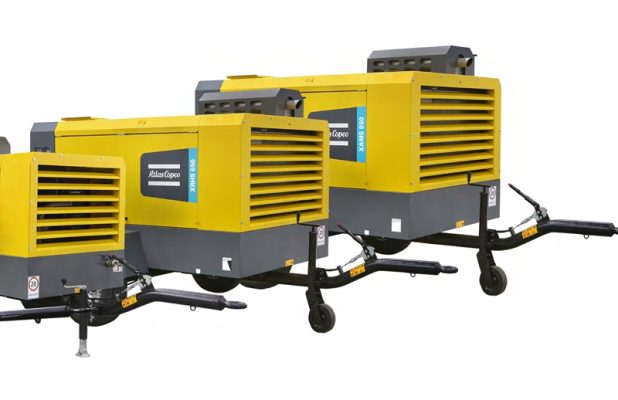
When we focus on efficiency within this range, it’s all about the strategic triangle of size, flow and fuel efficiency . Excellingin one of these areas is wasted excellence if you cannot provide the other two . Therefore, our promise to you is an industryleading range of optimized size-to-flow compressors, which have unparalleled levels of fuel efficiency and autonomy .
Some types of the X-Air range come with PACE (Pressure Adjusted through Cognitive Electronics). This electronic pressureregulation system brings a wider pressure range to cover more applications . PACE optimizes your compressor’s efficiency,especially at partial load or idle status . PACE is the smart technology that increases your utilization and improves yourcompressor’s fuel economy .
This range is also designed to withstand the toughest working conditions . With a standard operating temperature range of-10°C to +50°C and a strong undercarriage . The range’s robust nature guarantees reliable operation . The design, controller andmodularity put you in control . You will see we have also focused heavily on ease of service to ensure uptime and utilization .This range is all about you!
Built better. Built for you!
Depending on the model, we offer a choice of a mechanical or electronic engine . We also offer our aftercooler for all models .
By matching the air demand needs to the engine speed, the consumption of fuel is optimized . This fast acting fuel saving
system is conti compressor – with the largest benefit at partial load . In short, we are proud to offer a range of compressors with
market leading efficiency, due to the combination of our in-house patented screw element coupled with a Cummins engine .
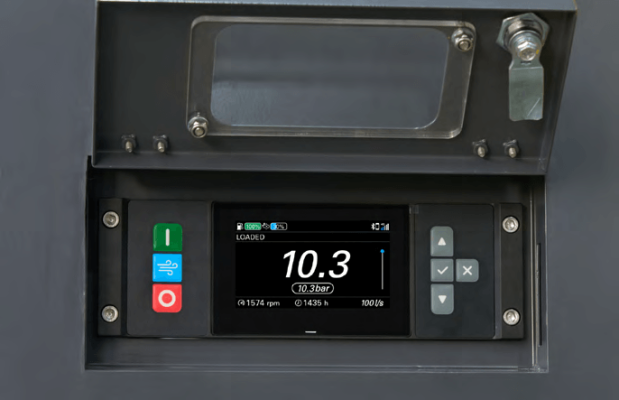
Xc2004 controller with IP65 protection and easy operation |
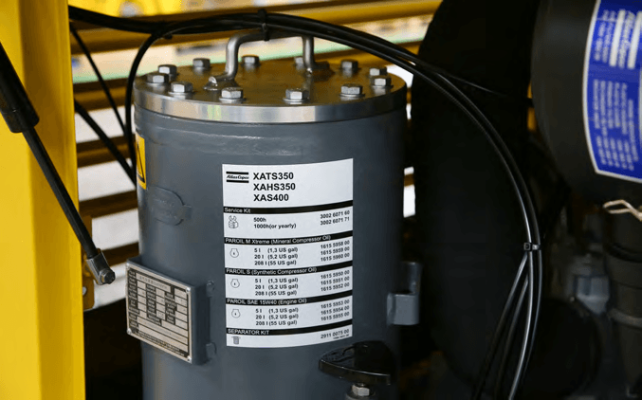
Simple vessel design for ease of service |
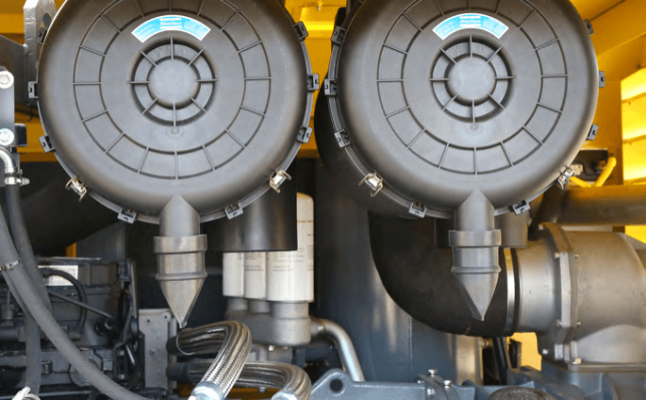
Heavy duty air filter with safety cartridge as standard |
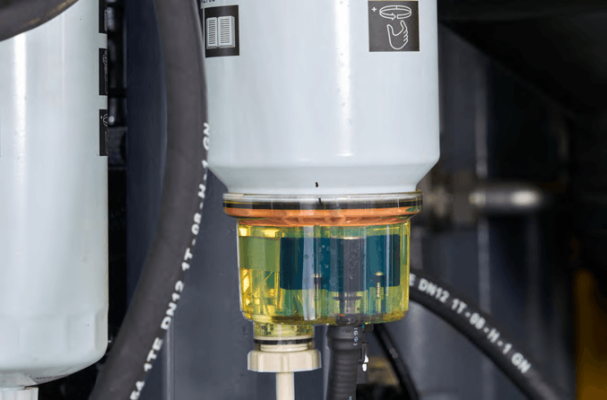
Additional fuel filter as standard to ensure engine protection |
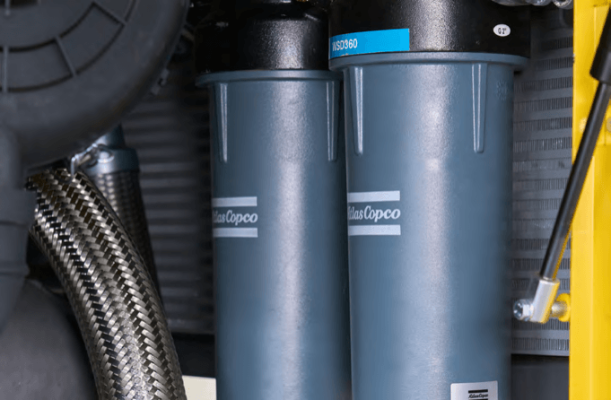
Aftercooler with water separator and filters |
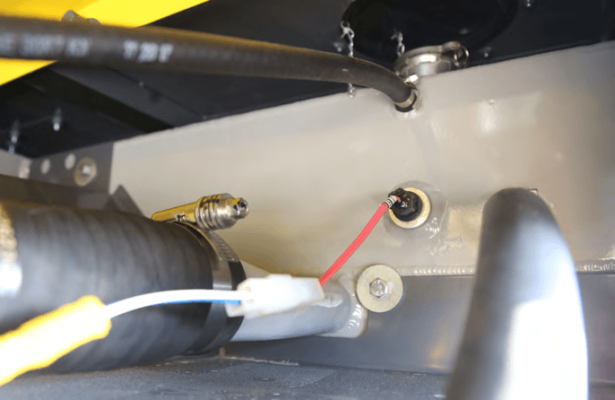
Integrated top tank to reduce leak risk and avoid corrosion |
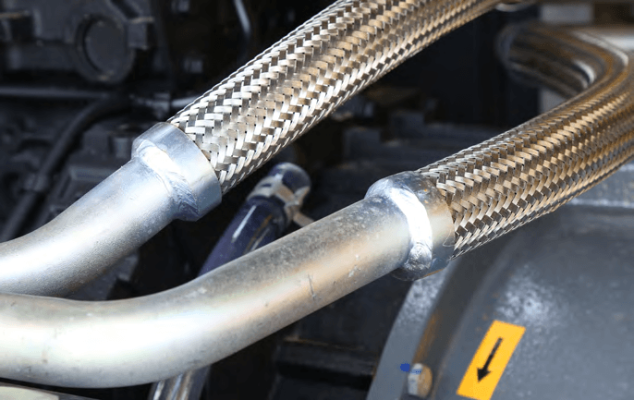
Metal braided hose for improved safety and longevity |
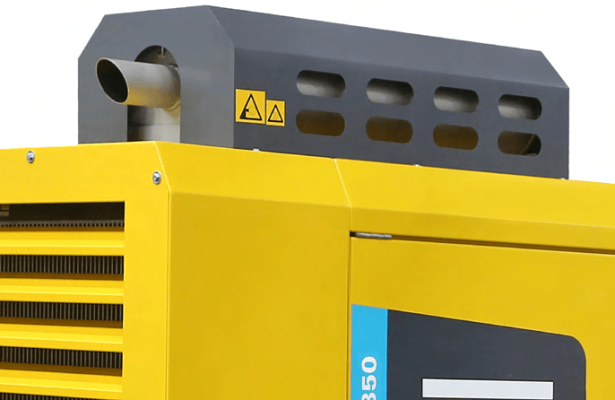
Top mounted muffler for less fire risk and heat load |
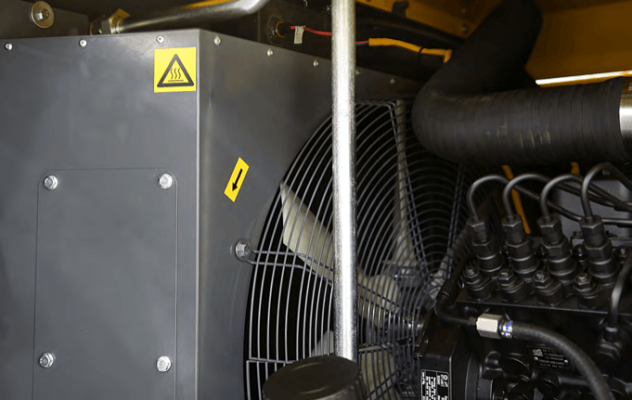
Enhanced cooling system for 50°C high ambient temperatures |
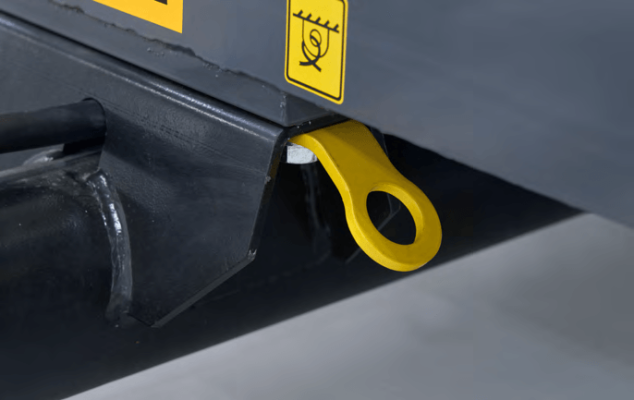
Reliable anchoring for safe transportation and on-site handling |
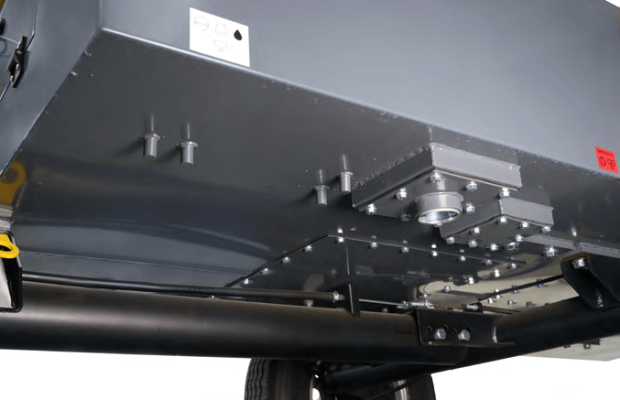
Protects environment, avoids cleanup cost, compliant with mining or construction site regulations |
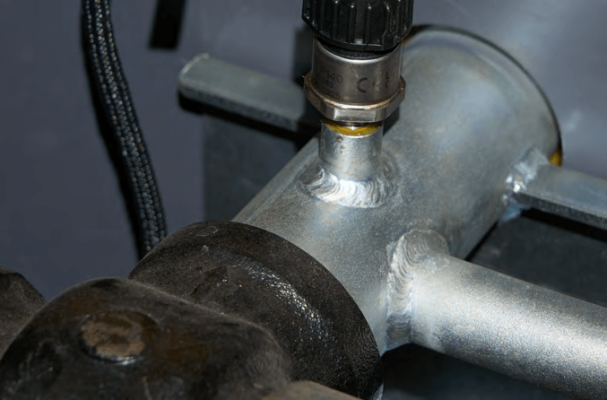
Improves fuel efficiency and lowers operating costs |
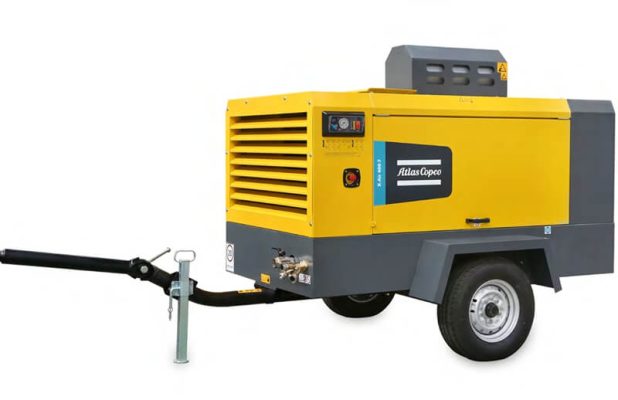
X-Air Portable Air Compressors — Technical Data
General Specifications
| Parameter | Unit | X-Air 360-10 | X-Air 350-12 | X-Air 400-7 | X-Air 360-10 | X-Air 350-12 | X-Air 400-7 | X-Air 400-12 PACE |
|---|---|---|---|---|---|---|---|---|
| Free Air Delivery (range) | cfm | 365 | 355 | 410 | 365 | 355 | 410 | 360 / 425 |
| Free Air Delivery (range) | m³/min | 10.3 | 10 | 12 | 10.3 | 10 | 12 | 10.2 / 12.0 |
| Working Pressure (range) | bar | 10.3 | 12 | 7 | 10.3 | 12 | 7 | 7 / 12 |
| Working Pressure (range) | psi | 150 | 175 | 100 | 150 | 175 | 100 | 100 / 175 |
| Max. Sound Power (Lw @ 2000/14/EC) | dB(A) | 106 | 106 | 104 | 106 | 106 | 104 | 107 |
| Max. Sound Pressure at 10 m | dB(A) | 76 | 76 | 76 | 76 | 76 | 76 | 79 |
| Ambient Temperature Without Aftercooler (min–max) | °C | -10 to 50* | -10 to 50* | -10 to 50* | -10 to 50* | -10 to 50* | -10 to 50* | -10 to 50* |
| Ambient Temperature Without Aftercooler (min–max) | °F | 14 to 122* | 14 to 122* | 14 to 122* | 14 to 122* | 14 to 122* | 14 to 122* | 14 to 122* |
| Ambient Temperature With Aftercooler (min–max) | °C | -10 to 45* | -10 to 45* | -10 to 45* | -10 to 45* | -10 to 45* | -10 to 45* | -10 to 45* |
| Ambient Temperature With Aftercooler (min–max) | °F | 14 to 113* | 14 to 113* | 14 to 113* | 14 to 113* | 14 to 113* | 14 to 113* | 14 to 113* |
| Controller | — | Analog control panel | Analog control panel | Analog control panel | Xc1004 | Xc1004 | Xc1004 | Xc2004 |
X-Air Portable Air Compressors — Technical Data
1. General Specifications
| Parameter | Unit | X-Air 440-14 | X-Air 450-12 | X-Air 460-10 | X-Air 440-14 (PACE) | X-Air 450-12 (PACE) | X-Air 460-10 (PACE) | X-Air 610-14 PACE | X-Air 700-12 PACE |
|---|---|---|---|---|---|---|---|---|---|
| Free Air Delivery (range) | cfm | 440 | 450 | 460 | 440 | 450 | 460 | 610 / 520 | 700 / 565 |
| Free Air Delivery (range) | m³/min | 12.5 | 12.7 | 13.0 | 12.5 | 12.7 | 13.0 | 17.3 / 14.7 | 19.8 / 16.0 |
| Working Pressure (range) | bar | 14 | 12 | 10 | 14 | 12 | 10 | 11 / 14 | 8.6 / 12 |
| Working Pressure (range) | psi | 200 | 175 | 145 | 200 | 175 | 145 | 160 / 200 | 125 / 175 |
| Max. Sound Power (Lw @ 2000/14/EC) | dB(A) | 107 | 107 | 107 | 111 | 111 | 111 | 111 | 111 |
| Max. Sound Pressure at 10 m | dB(A) | 89 | 89 | 89 | 81 | 81 | 81 | 79 | 79 |
| Ambient Temperature Without Aftercooler (min–max) | °C | -10 to 50* | -10 to 50* | -10 to 50* | -10 to 50* | -10 to 50* | -10 to 50* | -10 to 50* | -10 to 50* |
| Ambient Temperature Without Aftercooler (min–max) | °F | 14 to 122* | 14 to 122* | 14 to 122* | 14 to 122* | 14 to 122* | 14 to 122* | 14 to 122* | 14 to 122* |
| Ambient Temperature With Aftercooler (min–max) | °C | -10 to 45* | -10 to 45* | -10 to 45* | -10 to 45* | -10 to 45* | -10 to 45* | -10 to 45* | -10 to 45* |
| Ambient Temperature With Aftercooler (min–max) | °F | 14 to 113* | 14 to 113* | 14 to 113* | 14 to 113* | 14 to 113* | 14 to 113* | 14 to 113* | 14 to 113* |
| Controller | — | Analog control panel | Analog control panel | Analog control panel | Xc1004 | Xc1004 | Xc1004 | Xc2004 | Xc2004 |
2. Engine Specifications
| Parameter | Unit | X-Air 440-14 | X-Air 450-12 | X-Air 460-10 | X-Air 440-14 (PACE) | X-Air 450-12 (PACE) | X-Air 460-10 (PACE) | X-Air 610-14 PACE | X-Air 700-12 PACE |
|---|---|---|---|---|---|---|---|---|---|
| Engine Brand | — | Cummins DCEC | Cummins DCEC | Cummins DCEC | Cummins DCEC | Cummins DCEC | Cummins DCEC | Cummins DCEC | Cummins DCEC |
| Engine Model | — | 6BTAA5.9-C180 | 6BTAA5.9-C180 | 6BTAA5.9-C180 | QSB5.9-C180 | QSB5.9-C180 | QSB5.9-C180 | QSB5.9-C210-30 | QSB5.9-C210-30 |
| Emission Stage | — | T2 | T2 | T2 | T3 | T3 | T3 | T3 | T3 |
| Engine Power at Full Load | kW | 132 | 132 | 132 | 132 | 132 | 132 | 154 | 154 |
| Engine Power at Full Load | hp | 177 | 177 | 177 | 177 | 177 | 177 | 206 | 206 |
| Full Load Speed | rpm | 2400 | 2400 | 2400 | 2400 | 2400 | 2400 | 1700 / 2000 | 1700 / 2000 |
| Unload Speed | rpm | 1500 | 1500 | 1500 | 1200 | 1200 | 1200 | 1200 | 1200 |
Notes:
-
PACE models are kept separate from the first three models according to the image’s column order.
-
The slash-separated figures, such as
610 / 520, are retained as shown in the source image. -
*is preserved from the original image; its explanatory footnote was not included.
Explore the X-Air Range
The X-Air family includes configurations for different airflow and pressure requirements. Model availability and specifications vary by market and machine generation.
- X-Air: Portable diesel compressors for a range of construction and industrial applications.
- X-Air⁺: Advanced configurations designed for demanding applications requiring flexible pressure and airflow.
- PACE-equipped models: Adjustable pressure settings help adapt compressor output to different tools and processes.
When selecting a model, consider the required working pressure, free air delivery (FAD), engine configuration, emissions standard and site conditions.
Key Benefits
Adjustable Pressure on Selected Models
PACE-equipped compressors allow pressure settings to be adjusted through the electronic control system. This can make one machine suitable for multiple applications with different operating requirements.
Reliable Performance on Site
Designed for mobile use, X-Air compressors provide compressed air for jobs where a fixed compressor installation is impractical or unavailable.
Efficient Operation
Atlas Copco highlights fuel-efficiency features across its portable compressor range. On supported models, ECO-mode can reduce fuel consumption during periods without air demand. Actual savings depend on the operating cycle and machine configuration.
Multi-Application Versatility
Depending on the selected model and pressure rating, X-Air compressors can support a variety of pneumatic equipment and field operations.
Built for Demanding Conditions
The range is intended for mobile job-site use. Appropriate model selection should account for ambient temperature, altitude, duty cycle and local emissions requirements.
Applications
Atlas Copco X-Air portable compressors can be selected for applications such as:
- Construction and infrastructure projects
- Abrasive blasting and surface preparation
- Shotcreting and concrete work
- Drilling operations
- Pneumatic tools
- Industrial maintenance
- Remote job-site air supply
Always confirm that the selected model’s pressure and airflow meet the requirements of the equipment being powered.

Frequently Asked Questions
What is the Atlas Copco X-Air Range?
The X-Air Range is a family of portable air compressors designed for mobile construction and industrial applications. Available models differ in pressure, airflow, engine and control configuration.
What is the difference between X-Air and X-Air⁺?
The names identify different product configurations within Atlas Copco’s portable compressor offering. The precise differences depend on the models being compared, so check their individual technical specifications rather than assuming every X-Air⁺ model has identical features.
Do all X-Air compressors have PACE technology?
No. PACE is available on selected models. Check the full model designation and product documentation to confirm whether adjustable-pressure control is included.
What applications are X-Air compressors suitable for?
Depending on the model, applications can include construction, drilling, abrasive blasting, shotcreting and general pneumatic work.
How do I select the correct X-Air model?
Start with the required working pressure and air consumption. Then compare the model’s published FAD at that pressure, along with engine, emissions, mobility and air-treatment requirements.
Related products
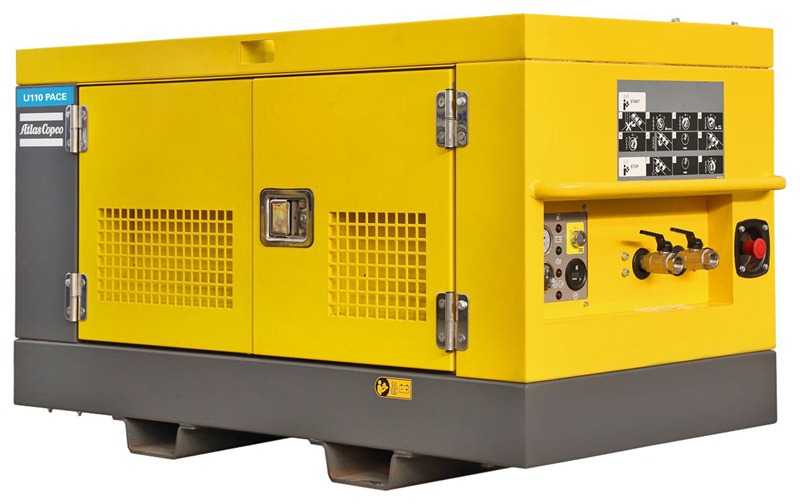
Portable Air Compressors
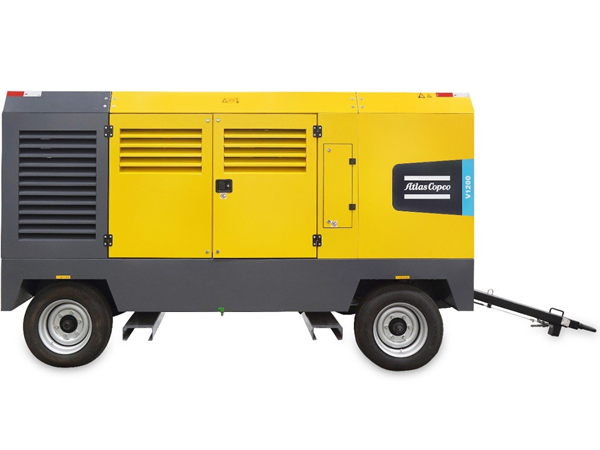
Portable Air Compressors
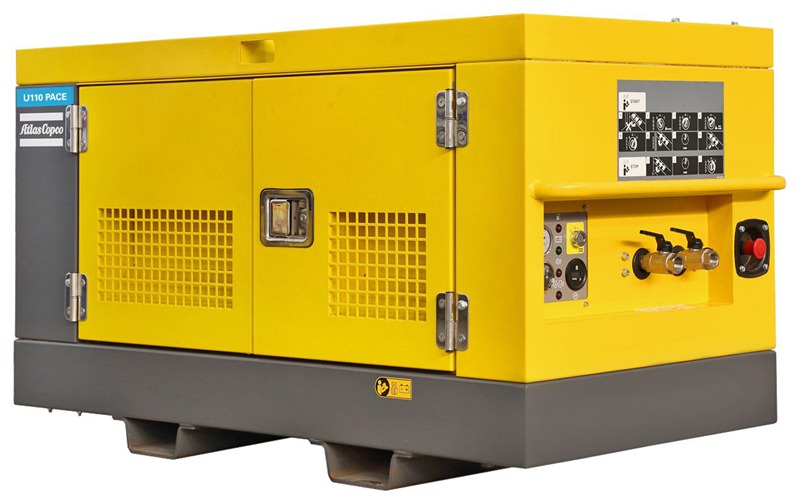
Portable Air Compressors
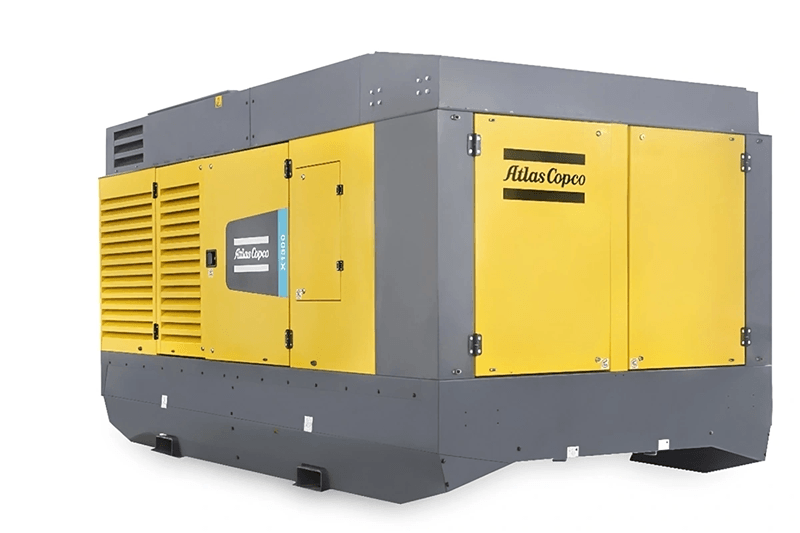
Portable Air Compressors
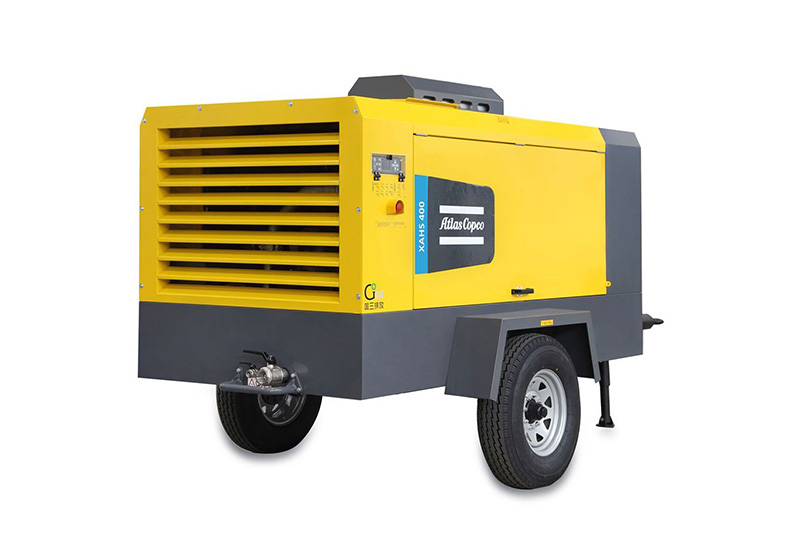
Portable Air Compressors
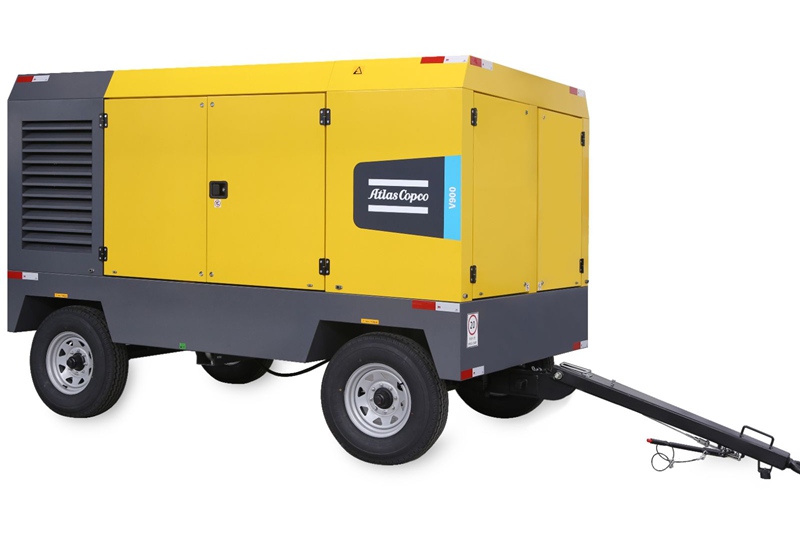
Portable Air Compressors